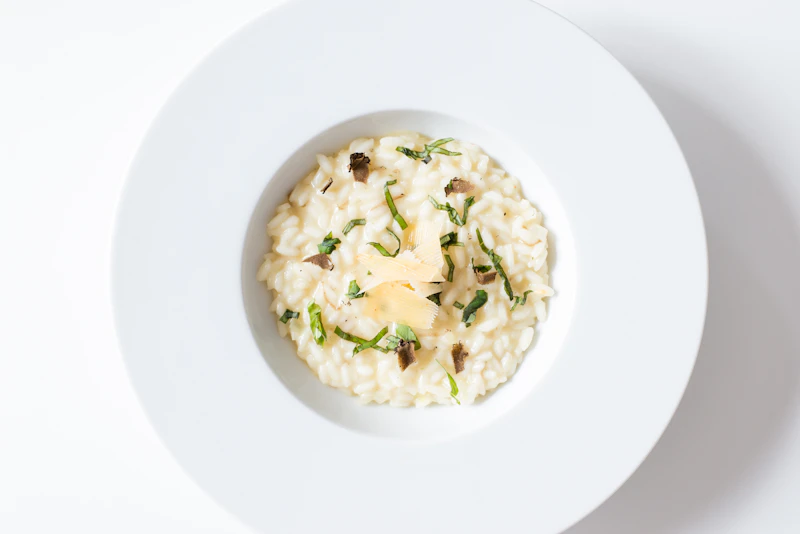
Layers, textures, and a sauce that ties it all together — here's how I build a bowl that satisfies. I've been cooking and writing about vegetarian bowls for years, and the difference between a stressful night in the kitchen and a fun one almost always comes down to a handful of small habits — not fancy ingredients, not expensive gear, not professional training.
In this guide I'm walking you through the exact approach I use at home with my own family. It's friendly, forgiving, and built around the truth that most of us are juggling work, kids, errands, and the very real desire to actually enjoy what we eat. If that sounds like your life too, you're in exactly the right place.
Everything below has been tested in a normal home kitchen — the same one where the dishwasher sometimes runs twice a day and the spice drawer is a little chaotic. No restaurant tricks, no shopping lists you'll never finish. Just practical, repeatable ideas you can actually use this week.
What "healthy" really means in this kitchen
We're not chasing diet culture trends. "Healthy" here means food that leaves you energized instead of foggy, that uses real ingredients you recognize, and that you genuinely want to eat again next week.
Every recipe philosophy in this guide is built around balance: protein for satiety, fiber for steady energy, healthy fats for flavor and fullness, and color for the micronutrients your body quietly thrives on.
Nothing is forbidden. Nothing is a "cheat." The goal is a way of cooking that feels good for years, not a 30-day reset you abandon by week two.
Building meals that actually fill you up
A bowl of lettuce isn't a meal — and pretending it is, is exactly why so many "healthy lunches" leave us prowling the snack drawer at 3 p.m. The fix is simple: every meal needs a real protein, a real fat, and enough fiber to keep you grounded.
Think 25 to 35 grams of protein per main meal, a generous drizzle of olive oil or a handful of nuts or seeds, and at least two cups of vegetables. Once that template is in place, you can flavor it however you like and never feel deprived.
When meals satisfy you, willpower stops being a daily battle. You're not white-knuckling through hunger; you're just full and content.
Vegetables that taste like a treat
If vegetables feel like a chore, they're being cooked wrong. Roasting at high heat with a serious amount of oil and salt turns almost any vegetable into something you'll fight over at the table.
Crank the oven to 425°F, spread the vegetables in a single layer so they have room to brown, and resist the urge to stir too often. A little char is exactly what you want — that's where the deep, almost-caramel flavor lives.
Cleaning as you cook
This sounds boring, but it's life-changing. While onions are sweating, wash the cutting board. While the pasta water comes to a boil, wipe down the counter. Every quick reset you do during cooking is one less thing waiting for you after dinner.
Keep a small bowl on the counter for trimmings and packaging. Empty it once at the end instead of walking back and forth to the trash all night. Tiny efficiency, big payoff.
By the time you sit down to eat, the kitchen should look like a place a calm person cooks in, not the aftermath of a tornado. That alone makes you more likely to want to cook again tomorrow.

Friendly ingredient swaps that actually work
If you don't have an ingredient, don't panic and don't drive to the store. Most everyday recipes are forgiving. Out of shallots? Use a small onion. No fresh thyme? A pinch of dried. Out of heavy cream? Whole milk plus a knob of butter gets you most of the way there.
The exceptions are baking (where ratios genuinely matter) and recipes that hinge on one specific flavor, like a curry paste or a specific cheese. For everything else, lean on what's in your fridge and trust your instincts.
Keep a mental "swap shortlist" of substitutions you've tried and liked. After a few months, you'll realize you've quietly become the kind of cook who improvises — which is exactly the goal.
Setting the table (yes, really)
It might sound silly, but the way food is served changes how it tastes. A real plate, a folded napkin, a glass of something cold, and the phones face-down on the counter turns a Tuesday dinner into a tiny event.
You're not putting on a show. You're simply telling everyone at the table — including yourself — that this meal is worth ten focused minutes. Kids pick up on that instantly. So do you.
When dinner feels like a small ritual rather than a refueling stop, you start cooking with more care. The whole loop becomes more enjoyable, more often.
Why this approach actually works
Cooking advice fails when it ignores how real evenings unfold. You walk in tired, the kids are starving, the dog wants out, and somehow you're supposed to produce a balanced meal in the next forty minutes. The recipes and ideas in this guide were chosen with that exact picture in mind.
Instead of chasing the most impressive dish, we're chasing the most repeatable one. That means short ingredient lists, flexible swaps, and techniques you'll genuinely come back to — not a once-in-a-blue-moon project that ends up bookmarked and forgotten.
When you cook the same handful of reliable meals over and over, two beautiful things happen. First, the cooking gets faster, because your hands already know what to do. Second, you start trusting yourself in the kitchen, and that confidence is what makes home cooking sustainable for the long haul.

The pantry that does the heavy lifting
A well-stocked pantry is the quiet hero behind every weeknight cook I admire. It doesn't have to be huge. A few oils, two or three vinegars, canned tomatoes, beans, a couple of pastas and grains, garlic, onions, a handful of spices, and a tube of tomato paste hidden in the fridge will carry you through more dinners than you'd believe.
Add a small set of "finishers" — flaky salt, a citrus, fresh herbs, a sharp cheese — and even the simplest base meal feels intentional. These small touches at the end of cooking are what take a dish from "fine" to "oh, that was actually really good."
If you're starting from scratch, don't try to buy everything at once. Add one or two pantry items each grocery trip until the shelf feels comfortable. Within a month or two you'll notice you barely need to plan ahead anymore: dinner becomes a question of what to combine, not what to run out and buy.
Tools that earn their place on the counter
You do not need a fancy kitchen. You need a sharp knife, a sturdy cutting board, one good skillet (preferably oven-safe), a heavy pot, a sheet pan, a microplane, and a pair of tongs. That short list will cover roughly 90 percent of the cooking in this guide.
If you're going to splurge on anything, splurge on the knife. A blade that actually cuts changes everything about how cooking feels. It's faster, safer, more enjoyable, and it removes the single biggest reason home cooks dread chopping vegetables.
Beyond that, gadgets are mostly distractions. The best cooks I know lean on a handful of reliable tools and learn them well, rather than collecting attachments and appliances that gather dust on a high shelf.
Reading the recipe before you start
This one habit is the difference between a calm cook and a frantic one: read the whole recipe before you touch a single ingredient. Look for ingredients you don't have, steps that overlap, and any "meanwhile" instructions that hint at multitasking.
Then do a quick mise en place. Even a loose one. Measuring spices into a little bowl, prepping vegetables before the pan goes on the heat, and lining up sauces and finishers near the stove turns cooking into a smooth, almost meditative flow instead of a panicked scramble for the salt.
When you skip this step, you end up burning garlic while you're still digging through the fridge for parsley. When you do it, dinner suddenly feels twenty minutes shorter than the clock says it took.
Seasoning, tasting, and trusting yourself
Seasoning is rarely a one-and-done event. It happens in layers — a pinch of salt on the onions, a little on the vegetables when they hit the pan, a final shower of flaky salt at the end. Each layer builds flavor without ever making the dish taste salty.
Tasting as you go is the single most important skill in any kitchen. Not just for salt, but for acid (does it need a squeeze of lemon?), fat (would a knob of butter make it sing?), and heat. Your tongue is the only honest review you need.
After a few weeks of cooking this way, you'll notice you reach for measuring spoons less often. That's not sloppiness. That's confidence — and it's exactly the kind of cooking that turns dinner into something you actually look forward to.
Making it work for picky eaters
Almost every household has at least one person who is suspicious of greens, sauces, or anything described as "interesting." The trick is to deconstruct, not negotiate. Put components on the table separately whenever you can: protein here, grain there, vegetables in their own bowl, sauce on the side.
When everyone builds their own plate, the dish you cooked feels like a customizable bar rather than a take-it-or-leave-it dinner. Picky eaters get to skip the parts they don't trust yet, and you don't have to be a short-order cook.
Over time, watching everyone else enjoy the "scary" parts is often what nudges a hesitant eater into trying them. Patience and zero pressure work where bargaining never does.
Storing leftovers like a pro
Good storage habits double the value of every meal you cook. Cool leftovers quickly — within an hour or two — by spreading them in a wide container instead of stacking everything into a deep one. The faster food drops below room temperature, the longer it keeps safely.
Most cooked dishes are happiest in the fridge for three to four days. Label the lid with a small piece of tape and the date if you're forgetful (I am). For anything you won't eat in that window, freeze it in single portions so you can grab one for a future busy night.
And when you reheat, add a splash of water, broth, or oil. Almost everything dries out a little overnight, and a teaspoon of liquid brings the texture right back to life.

Cleaning as you cook
This sounds boring, but it's life-changing. While onions are sweating, wash the cutting board. While the pasta water comes to a boil, wipe down the counter. Every quick reset you do during cooking is one less thing waiting for you after dinner.
Keep a small bowl on the counter for trimmings and packaging. Empty it once at the end instead of walking back and forth to the trash all night. Tiny efficiency, big payoff.
By the time you sit down to eat, the kitchen should look like a place a calm person cooks in, not the aftermath of a tornado. That alone makes you more likely to want to cook again tomorrow.
"Layers, textures, and a sauce that ties it all together — here's how I build a bowl that satisfies.
Frequently asked questions
Are these vegetarian bowls ideas suitable for beginners?+
How far in advance can I prep?+
Can I make these recipes gluten-free or dairy-free?+
What if my family is picky?+
Do I need special equipment?+
Final thoughts
Here's the honest truth: vegetarian bowls don't have to be complicated to be wonderful. The best home cooks aren't the ones with the biggest pantries or the fanciest gear — they're the ones who keep showing up, night after night, with a friendly attitude and a willingness to try.
If you take just one habit from this guide and make it part of your week, you'll feel the difference within a month. Cooking at home gets faster, more relaxed, and a lot more fun. And the people you feed — including yourself — will notice.
Save this guide, share it with a friend who's also trying to make weeknights gentler, and come back to it whenever you need a reset. The kitchen should feel like the warmest room in the house. That's exactly what we're cooking toward.

Marcus is a trained chef turned home-cook advocate. He retests every recipe twice in a normal home kitchen before it earns a place on TastyNest.